May 15, 2026
How Much Does a Mold Inspection Cost? (2026 Dallas Price Guide)
A professional mold inspection in Dallas costs $250 to $700 for most residential properties, with a national average around $670. That range covers the site visit, moisture mapping, and a visual assessment of all high-risk areas. Lab testing of air and surface samples, when required, is typically priced separately and adds $150 to $400 to the total.
Cost varies based on home size, how many areas need to be assessed, whether samples are collected, and what type of inspection is performed. A small home with one suspected area costs significantly less than a full inspection with thermal imaging across a 3,500 square foot property.
Our team at Mold Testing & Inspection performs independent mold inspections and air quality assessments across Dallas-Fort Worth. Because we do not perform remediation, our assessments carry no conflict of interest. This guide reflects the real cost breakdowns Dallas homeowners see when they call for a professional inspection.
Average Mold Inspection Cost
Most Dallas homeowners pay between $250 and $600 for a standard mold inspection, which runs slightly below the national average of $303 to $1,043. Southern labor rates and a competitive local market keep Dallas prices toward the lower end of national ranges.

- Dallas average inspection costs $250 to $600, averaging $400. This covers the site visit, visual assessment, moisture meter readings, and a written report. Dallas sits below the national midpoint because Southern labor rates are lower and the market has strong local competition among licensed assessors.
- National average inspection costs $303 to $1,043, averaging $670. The upper end of this range reflects large homes, multi-area sampling, and thermal imaging in higher-cost markets.
- Homes under 2,000 square feet cost $200 to $450, averaging $300. Smaller homes take less time to inspect and typically require fewer samples. This is the most common price range for Dallas condo and townhome inspections.
- Homes from 2,000 to 4,000 square feet cost $300 to $700, averaging $450. The most common home size in Dallas-Fort Worth. A thorough inspection at this size takes two to four hours depending on accessibility of the attic, crawl space, and utility areas.
- Homes over 4,000 square feet cost $500 to $1,200, averaging $750. Larger homes require more time, more sample collection points, and often involve multiple inspectors working simultaneously.
- Commercial properties cost $500 to $3,000, averaging $1,000. Commercial inspections are priced by building size and complexity. Multi-story buildings, large HVAC systems, and multiple tenant spaces all add to the scope and cost.
What is typically included in a standard inspection:
- Full visual assessment of all accessible areas
- Moisture meter readings in high-risk zones
- Thermal imaging if included in the tier
- Written report with findings and recommendations
- Identification of suspected moisture sources
Mold Testing Cost
Mold testing is a separate service from mold inspection and is frequently misunderstood. An inspection identifies whether mold is present and where. Testing identifies what species are present and how concentrated the spores are in the air or on surfaces. Most homeowners need both for a complete picture.

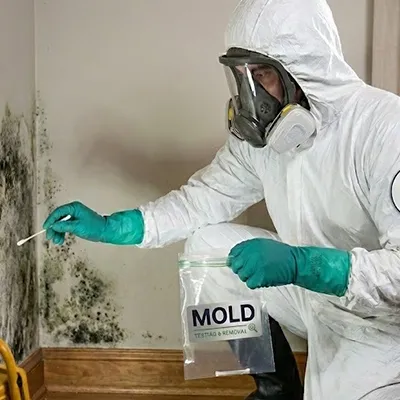
- Air quality sampling costs $75 to $200 per sample, averaging $125. Air samples are collected using a calibrated pump that draws a measured volume of air through a cassette, which is then sent to an accredited lab. Most residential inspections require two to four samples: one outdoors as a baseline and two to three from suspect interior areas.
- Surface swab tests cost $50 to $150 per sample, averaging $100. A swab is taken directly from a visible mold growth to confirm the species. Useful when you can see mold but need to know exactly what type you are dealing with before choosing a remediation protocol.
- Tape lift samples cost $50 to $150 per sample, averaging $85. Similar to swab testing but used on flat surfaces like drywall or wood. Often preferred for porous materials where a swab might not collect enough sample.
- Accredited lab analysis costs $30 to $150 per sample, averaging $75. This is the lab fee on top of sample collection. Results typically come back within 24 to 72 hours from an accredited third-party laboratory. Always confirm the lab is accredited before the inspector collects samples.
- A full inspection with lab testing costs $300 to $700, averaging $500. This is the most complete package: site visit, air and surface sampling, accredited lab analysis, and a written report identifying species, spore counts, and recommended next steps. Our air quality testing service includes all of this with same-day reporting.
- HVAC system air testing costs $50 to $200, averaging $100. Often added to a standard inspection as a line item. Given that Dallas HVAC systems run for six or more months a year, HVAC testing is worth adding to any inspection where there is a musty smell that appears when the system runs.
Mold Inspection Cost by Inspection Type
Not all mold inspections are the same. The level of technology used, the depth of the assessment, and the number of samples collected all vary by inspection tier. Choosing the right tier depends on what you are trying to confirm.

- Visual inspection only costs $150 to $400, averaging $250. The inspector walks the property and documents visible mold, water staining, and moisture damage without collecting samples. Suitable for confirming visible mold before remediation when species identification is not needed.
- Standard inspection with moisture mapping costs $250 to $600, averaging $400. Adds moisture meter readings at multiple points throughout the home, identifying areas of elevated moisture even where no visible mold is present. This is the most common inspection type for Dallas homeowners with a suspected but not confirmed mold problem.
- Full inspection with thermal imaging costs $400 to $900, averaging $600. Thermal imaging cameras detect temperature differentials caused by moisture behind walls, under flooring, and above ceilings. This is the most effective tool for finding hidden mold in slab-foundation homes where leaks can go undetected for months.
- Full inspection with thermal imaging and lab testing costs $500 to $1,200, averaging $750. The most complete residential assessment available. Appropriate for real estate transactions, insurance claims, post-flooding assessments, or any situation where documentation of species and spore counts is required.
- Post-remediation clearance inspection costs $150 to $500, averaging $350. Confirms that spore levels have returned to safe background concentrations after remediation is complete. Required in Texas when the original assessor must sign off on the remediation company’s work.
Key Factors That Affect Mold Inspection Cost
Home Size and Square Footage
Size is the single most consistent cost driver in mold inspection pricing. More square footage means more time on site, more areas to assess, and more potential sample collection points.
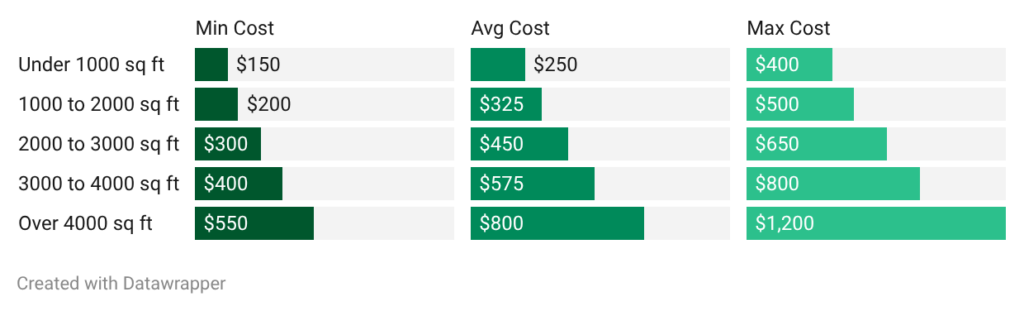
- Homes under 1,000 square feet cost $150 to $400, averaging $250. Small apartments, condos, and guest houses fall in this range. Inspections typically take one to two hours.
- Homes from 1,000 to 2,000 square feet cost $200 to $500, averaging $325. The most common price bracket for older Dallas homes and starter properties. Two to three hours on site for a thorough assessment.
- Homes from 2,000 to 3,000 square feet cost $300 to $650, averaging $450. Standard DFW suburban home size. A thorough inspection including attic and utility spaces takes three to four hours.
- Homes from 3,000 to 4,000 square feet cost $400 to $800, averaging $575. Larger layouts with multiple bathrooms, HVAC zones, and attic sections increase inspection time and the number of recommended sample points.
- Homes over 4,000 square feet cost $550 to $1,200, averaging $800. Custom and luxury homes in this size range often have complex HVAC systems, multiple roof lines, and extensive attic spaces that require more thorough assessment.
Accessibility of Suspected Areas
- Easily accessible areas cost $150 to $450, averaging $275. Bathroom walls, kitchen surfaces, and visible utility areas are straightforward to assess and keep inspection time short.
- Moderate access areas cost $250 to $600, averaging $400. Attic spaces and below-grade areas require more setup time, and inspectors often need to navigate tight entry points. In Dallas, attic inspections are particularly thorough given the high rate of storm-related roof damage.
- Difficult access areas cost $350 to $850, averaging $550. Crawl spaces and suspected wall cavity mold require specialized equipment and more inspection time. Confined-space access protocols add to the labor cost.
- Invasive inspections requiring drywall removal cost $500 to $1,200, averaging $750. When mold is strongly suspected behind a wall based on moisture readings or odor but cannot be confirmed visually, the inspector may need to cut a small access hole. This adds both time and minor repair costs.
Mold Type Suspected
- Common surface mold inspections cost $300 to $650, averaging $450. When the mold type is visually consistent with common allergenic molds, standard sampling protocols apply and costs stay at the lower end.
- Aspergillus and Penicillium inspections cost $350 to $700, averaging $500. These species are common in Dallas HVAC systems and water-damaged walls. Lab confirmation is typically recommended because they closely resemble more hazardous species under visual inspection.
- Suspected black mold inspections cost $450 to $900, averaging $650. Black mold requires enhanced PPE during sample collection, more rigorous containment protocols, and expedited lab processing. The inspection cost reflects those additional requirements.
- Unknown or multi-type inspections cost $400 to $850, averaging $600. When multiple mold species appear to be present across different areas of the home, the inspector collects more samples and the lab analysis takes longer, pushing both cost and turnaround time up.
Post-Remediation Clearance Testing Cost
Clearance testing is a distinct service that confirms mold remediation was completed successfully. It is not the same as an initial inspection and should never be performed by the same company that did the remediation.

- Single area clearance testing costs $150 to $500, averaging $300. Covers air sampling in the remediated space, an outdoor baseline sample, and lab analysis confirming spore levels have returned to normal background concentrations.
- Multi-area clearance testing costs $300 to $800, averaging $500. Required when remediation covered more than one room or when mold was present in multiple zones of the home.
- Full property clearance costs $400 to $1,000, averaging $650. Appropriate after whole-house remediation or large-scale black mold removal. Multiple sample points throughout the property confirm the entire building has been returned to safe spore levels.
- Clearance with full lab analysis costs $300 to $750, averaging $500. Lab results are documented in a written clearance report. This documentation is frequently required by insurance companies, real estate transactions, and Texas TDLR compliance requirements.
Texas law requires mold assessors and remediators to be separate licensed entities under the Texas Department of Licensing and Regulation. This means the company that performs your initial inspection must also be the company that performs your clearance test, not the company that did the remediation. This is one of the strongest consumer protections in Texas mold law, and it is worth understanding before you hire anyone.
Hidden and Additional Costs
These costs are frequently excluded from base inspection quotes. Always ask for a written breakdown before the inspector begins work.

- Lab analysis costs $30 to $150 per sample, averaging $75. Many inspection quotes cover sample collection but list lab fees separately. Confirm whether the quoted price includes lab analysis before the inspector collects anything.
- Emergency or same-day inspection costs an extra $100 to $300, averaging $200. If you need an inspection within 24 hours, most inspectors charge a premium. After a major storm or sudden water intrusion, same-day availability may be limited and pricing rises accordingly.
- After-hours inspection premiums run $75 to $250, averaging $150. Commercial properties often require after-hours inspections to avoid business disruption. Residential after-hours requests are less common but carry the same premium.
- Re-inspection costs $150 to $500, averaging $300. If remediation is disputed or initial clearance testing fails, a re-inspection of the affected area is required before further clearance testing can be conducted.
- Travel fees outside the service area add $50 to $200, averaging $100. Most Dallas-area inspectors cover DFW without a travel fee. Properties in outlying areas beyond a set radius may incur a mileage-based charge.
- Report expedite fees add $50 to $200, averaging $100. Standard lab turnaround is 24 to 72 hours. If you need results within 24 hours for a real estate transaction or insurance deadline, expedited processing costs extra.
Mold Inspection vs. Mold Testing vs. Mold Remediation
This is the most common source of confusion when homeowners start researching mold problems. These are three distinct services with different purposes, different costs, and different providers.
Service
What It Does
Typical Cost
Who Performs It
Mold inspection
Identifies presence and location of mold
$250 to $700
Licensed mold assessor
Mold testing
Identifies species and spore concentration
$300 to $700
Licensed mold assessor with accredited lab
Mold remediation
Removes mold and addresses moisture source
$1200 to $30000
Licensed mold remediator (separate from assessor)
Clearance testing
Confirms remediation was successful
$150 to $1000
Original licensed assessor (not the remediator)
A mold inspection tells you whether mold is present and where it is growing. It does not tell you what species or how concentrated the spores are.
Mold testing collects air and surface samples and sends them to an accredited lab. Results identify the species present, the spore count, and whether concentrations exceed normal background levels. Testing gives the remediation company the information it needs to choose the correct containment protocols.
Mold remediation is the physical removal process. Containment, HEPA filtration, material removal, surface treatment, and disposal. In Texas, the company doing remediation cannot be the same company that assessed the problem or that performs the clearance test.
Clearance testing is the final step. It confirms the remediation worked. Without a passing clearance test from an independent assessor, you have no objective confirmation the mold has been removed to safe levels.
When to Get a Mold Inspection in Dallas
The EPA recommends professional assessment any time mold is suspected but not visible, or when the affected area may exceed 10 square feet. In Dallas specifically, these situations most commonly trigger the need for a professional inspection:
After any water intrusion event. Roof leaks, slab leaks, appliance failures, and flooding all create conditions where mold can begin growing within 24 to 48 hours. An inspection within 72 hours of a water event is the most cost-effective way to catch mold before it spreads.
Before buying or selling a home. Texas sellers are required to disclose known mold conditions. A professional inspection before listing protects sellers from liability. For buyers, an inspection during the option period gives you objective data before you close. Real estate agents in Dallas routinely refer clients to independent mold assessors before negotiations on properties with any history of water damage.
When mold keeps returning after cleaning. Surface mold that comes back within weeks of cleaning almost always indicates a deeper moisture source that has not been addressed. An inspection identifies where that moisture is coming from.
When you smell mold but cannot find it. A persistent musty odor without visible growth is one of the clearest signs of hidden mold in wall cavities, HVAC systems, or attic spaces. Thermal imaging inspection is particularly effective in this situation.
After any significant storm. Dallas hail seasons and heavy rainfall events frequently cause roof damage and water intrusion that homeowners do not discover until mold is already growing. An inspection after every major storm is worth the cost given what remediation can run if the problem is found late.
After mold remediation. A clearance test from the same independent assessor who performed the original inspection confirms the work was done correctly. Our mold inspection services cover both the initial assessment and post-remediation clearance testing across Dallas-Fort Worth.
Frequently Asked Questions
How much does a mold inspection cost in Dallas specifically?
Most Dallas homeowners pay $250 to $600 for a standard inspection, with the average around $400. That is slightly below the national average because of lower Southern labor rates and a competitive local market. Adding air and surface sampling with lab analysis brings the total to $400 to $700 for most residential properties.
Is a mold inspection worth it?
Yes, particularly in Dallas. The average mold inspection costs $400. The average mold remediation job costs $2,100 to $3,500. An inspection that catches a problem before it spreads, or confirms that remediation was done correctly, pays for itself many times over.
How long does a mold inspection take?
Most residential inspections take two to four hours depending on home size and how many areas need to be assessed. Full thermal imaging inspections on larger homes can take four to six hours. Lab results typically come back within 24 to 72 hours after the inspection.
Can I use the same company for inspection and remediation in Texas?
No. Texas law requires mold assessors and mold remediators to be separate licensed entities under the TDLR. A company that inspects your home cannot also perform the remediation, and the company that does the remediation cannot perform the clearance test. This separation exists specifically to prevent conflicts of interest.
What is the difference between a mold inspection and mold testing?
A mold inspection is a visual and moisture-based assessment that identifies whether mold is present and where. Mold testing collects air and surface samples that are analyzed in an accredited lab to identify species and spore concentrations. Most situations benefit from both, and they are typically performed during the same site visit.
Do I need a mold inspection before buying a home in Texas?
It is strongly recommended. Texas sellers must disclose known mold, but not all sellers are aware of hidden mold in attics, crawl spaces, or wall cavities. A professional inspection during the option period is the only reliable way to confirm the property’s mold status before you are legally committed to the purchase.
What happens after a mold inspection?
If mold is found, you receive a written report identifying the location, suspected species, and recommended scope for remediation. You then hire a separately licensed remediation company to do the work. After remediation is complete, the original assessor returns to perform a clearance test confirming the job was done correctly.
Final Thoughts
Most Dallas homeowners pay $250 to $600 for a professional mold inspection, with lab testing adding $150 to $400 depending on how many samples are collected. The total cost for a full inspection with air quality testing and lab analysis typically runs $400 to $700 for a standard residential property.
That investment is significantly smaller than the alternative. A mold problem caught at the inspection stage costs a fraction of what it costs after months of undetected growth. And in Texas, where assessors and remediators must be separate licensed entities by law, starting with an independent inspection is not just good practice; it is the only way the process is legally structured to work.If you are in Dallas-Fort Worth and need an independent mold inspection or air quality assessment, call us at your local office or get a free quote online. We provide same-day reports, accredited third-party lab analysis, and clearance testing with no conflict of interest.
Ready to clear the air?
Call Philadelphia now or leave three details and we call you back within the hour, 7 days a week.
215-586-7368